
In the interview with Professor Fadeeva emphasizes research and practical significance of the Project, noting the key role of social media in modern communication. Also , Lyubov Fadeeva tells about the first results obtained from the Perm team for the Project. In particular, in the context of the study Russian social networks and their impact on the formation of the identity of members of ethnic diasporas represented in higher education. Professor Fadeeva also highlights the fact that the participants in the project with the Russian side began to actively use social media platforms for educational purposes, including in the master’s workshop . And, also, in the field of academic cooperation with colleagues from other countries (within the webinars and virtual workshops ).
Project Meeting in Ankara
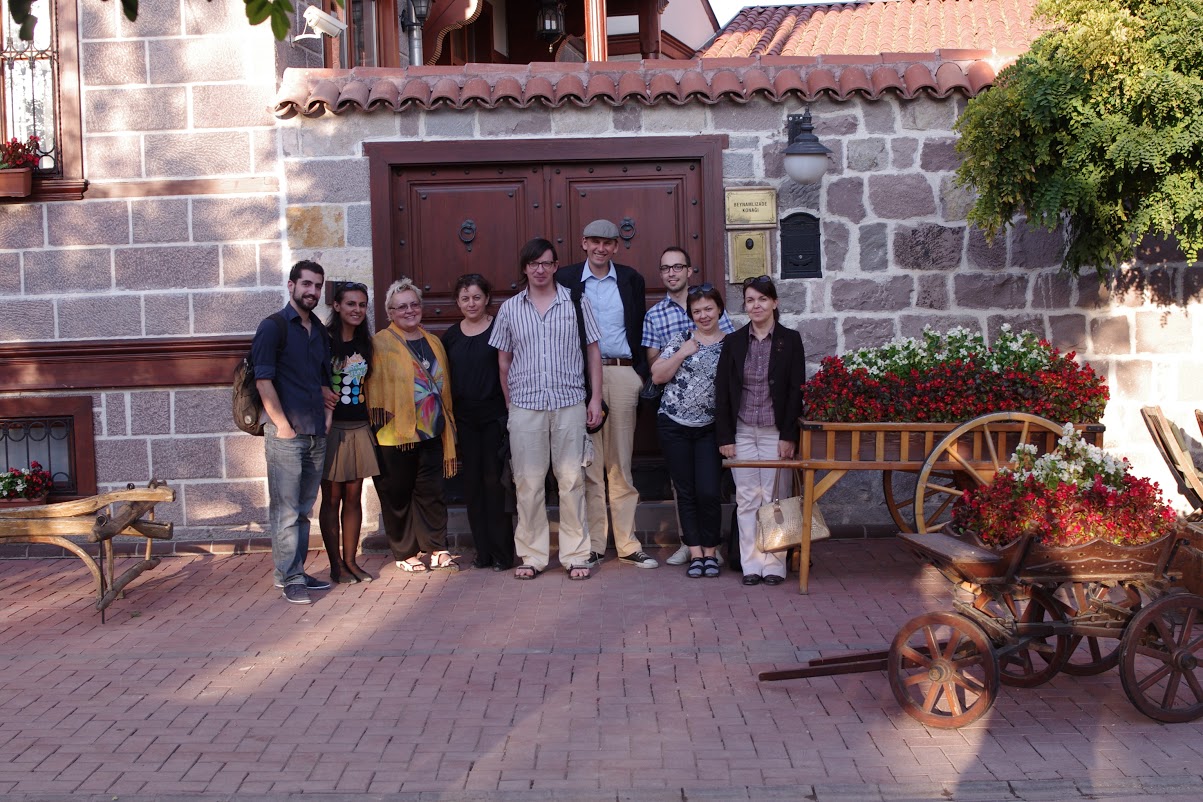
For discussion of the findings of WP2 and WP3 and for future arrangements, the project team met in Ankara. It was the end of the first year in the project and the first milestone was reached. The research results are very promising since popularity of e-learning and mobile learning is increasing and ubiquitous learning gains importance; the importance of interaction in terms of learning activities should be taken into consideration. Hence, social media opportunities should be integrated with these digital environments and virtual classrooms for official and unofficial learning expectations. Continue reading “Project Meeting in Ankara”
Proposed Framework for Social Media Strategy
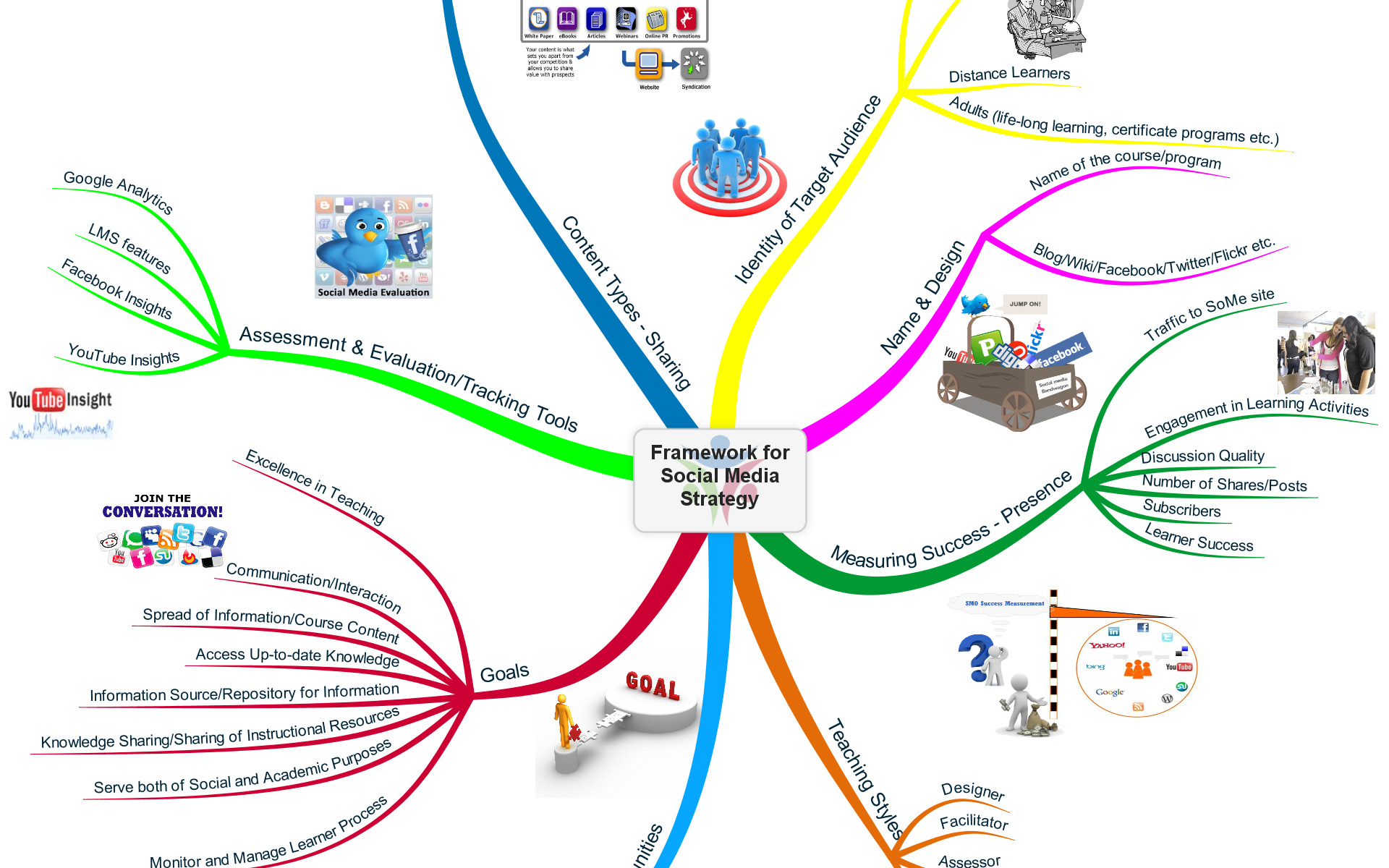
In WP3 of our project, we studied the patterns and implications of social media usage by higher education institutions in , both face-to-face and online teaching environments, namely for blended learning and e-learning. Initially two universities from each country were selected as cases, then we tried to reveal existing use of social media for teaching and research purposes, by conducting individual and focus group interviews with both instructors and students who already uses social media for academic purposes. After analyzing the data for each country we formed the comparison chart and to investigate the personal characteristics that instructors possess to make effective use of social media in their teaching, a teaching style inventory is developed and pilot tested. Hence, as a last step, a framework for social media strategy has been proposed based on (a) the literature results coming from WP1, (b) data gathered through universities, (c) cultural differences and (d) online teaching style survey results.
Social Media as Catalyser for Cross-National Learning
Social media is a vibrant research field. The project “SOMECAT” will expand knowledge in two branches with a geographical focus on the participating countries (Russia, Turkey, Germany and Switzerland):
- To what extent is and can social media be used for teaching, learning and research?
- Do and how diaspora groups use social media? If so, for what purposes?
Continue reading “Social Media as Catalyser for Cross-National Learning”
Berlin focus group meeting
In the course of the project SoMeCat, the nexus institute initiated a focus group. Nexus invited 12 students from the Technical University Berlin and the Beuth University of Applied Sciences Berlin on August 27, 2013. For two hours, the hosts, Christoph Henseler and Kerstin Franzl, created an interactive group setting were the participants exchanged individual experiences and perspectives. The vivid discussion alternately took place in plenary sessions and small group debates of just 3 or 4 students. The questions and discussions focused on the participants’ daily usage of social media and web 2.0 tools in private life and for academic purposes, their ways of coping with technological change and how teaching methods in university and social media use go together.
… and now in Berlin
A second change to meet in person again. This time for a short one and a half time meeting in Berlin, hosted by nexus. It was a highly productive meeting, where we planned the forthcoming field research, making sure that the data we collect allow a cross-country comparison between Russia, Turkey, Switzerland and Germany. We will do interviews and focus groups on social media and higher education and diaspora. We are all very excited and looking forward for the result.
Dissemination of the Project – Social Media Workshop in Ankara
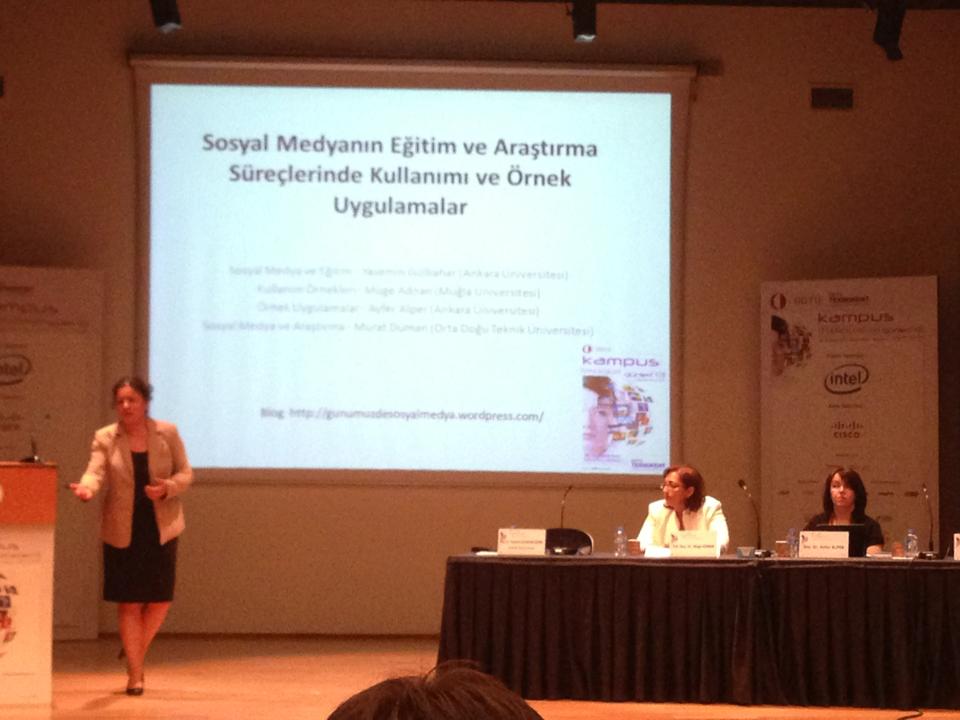
For dissemination, a social media workshop is held in the scope of “Campus Technology Days” in Middle East Technical University in May, 2013. Workshop consisted of four presentations, each one lasting one hour, about the use of social media in teaching and research, including practical ideas and real implementations.
Continue reading “Dissemination of the Project – Social Media Workshop in Ankara”
All cats are grey in the dark
How to present a recently started project in a funny and interesting way? Not an easy task, but we were brave enough to through our cat – pardon -our hat into the ring, and make a contribution to the first science slam of our university in Zurich. Just in German, but the cat pictures might be entertaining for all others as well …
Mid-Term Review in Ankara
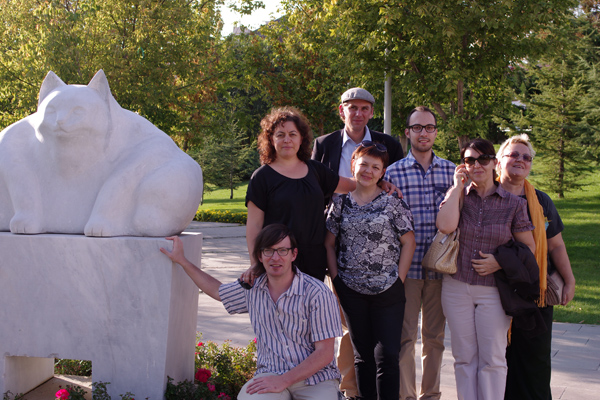
DLR organized together with Tübitak a mid-term conference for all ERANET.RUS projects in Ankara. The conference showed the great variety of all ERANET.RUS Projects. Even if we are with SOMECAT a little bit exotic, we had interesting conversations and a great time. Thanks also to Yasemin and Ayfer our Consortium Members from University of Ankara, being terrific hosts and showing us around. Looking forward being back in September to our annual meeting.
On the top of the mountains
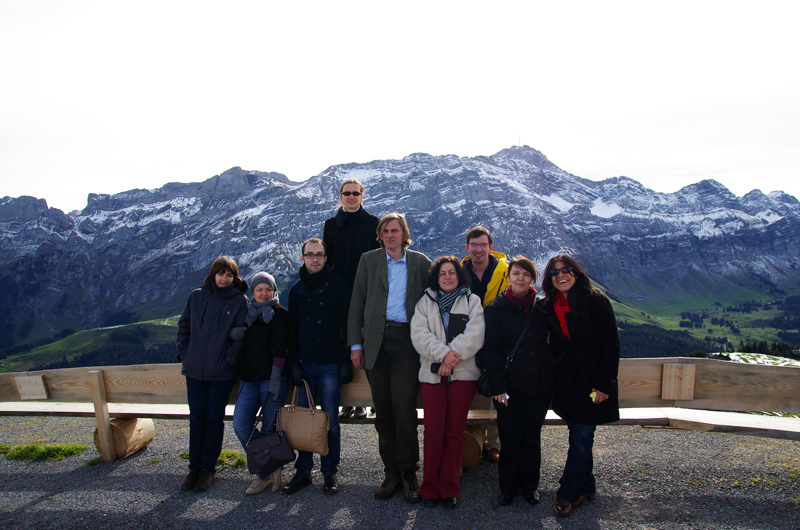
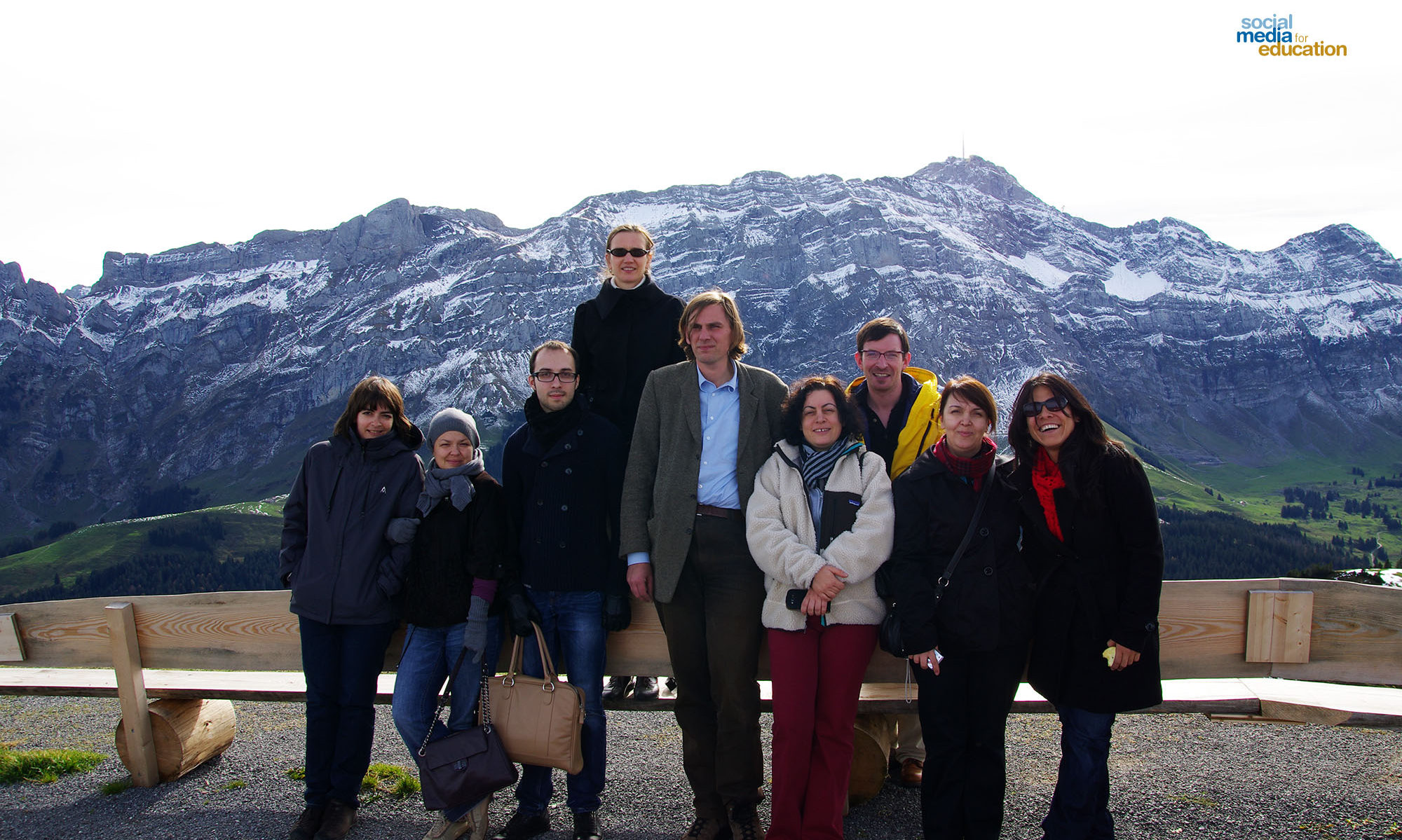
Our kick-off meeting took place in October 2012. Even if it does not look like, we had a productive working day opposite to the Säntis. Blue sky around and a nice walk during lunch break. All things are settled for a good collaboration.